Dive Brief:
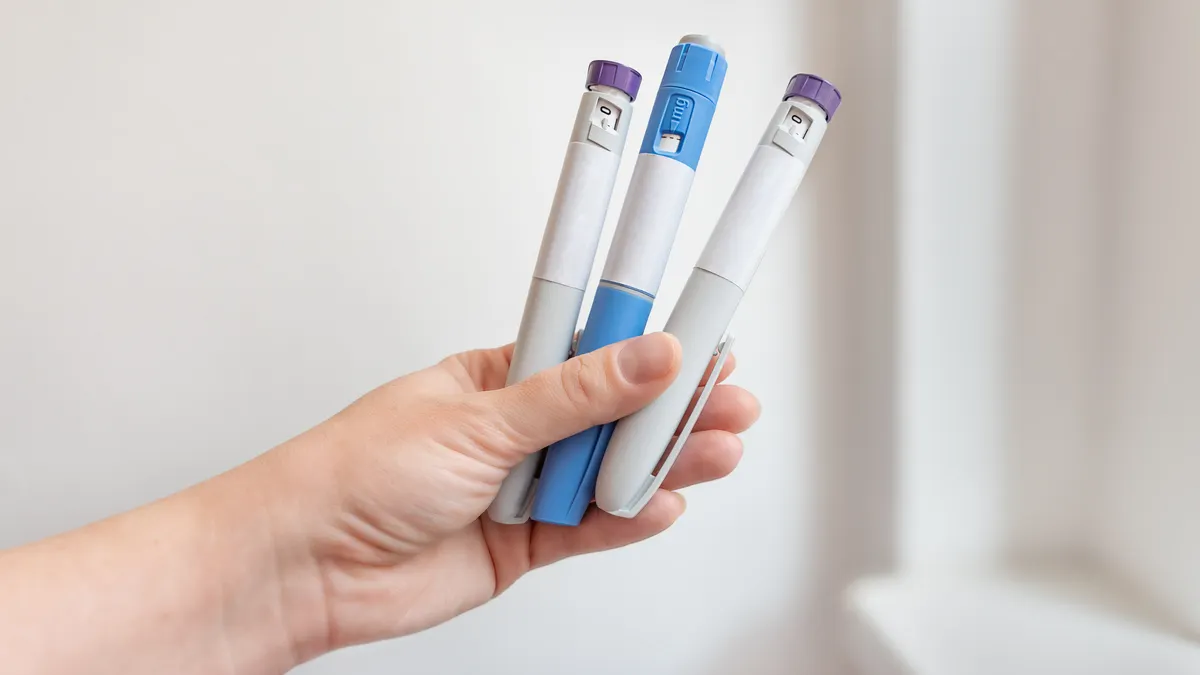
- Almost a third of surveyed U.S. households are changing what they eat and drink because someone in their household uses a GLP-1 medication, according to a report released last week by Dunnhumby.
- As a result of GLP-1 usage, grocery spending is moving away from bakery, alcohol and prepared meals and into fresh produce, fresh meat and health care, the research firm found.
- “GLP-1s are not taking demand out of the grocery cart, it’s creating an opportunity. … The winners will be retailers and brands that can spot these households in their customer data and give them lower-sugar, higher-protein choices,” Dunnhumby CEO Jamie Samaha said in a statement.
Dive Insight:
A key takeaway from Dunnhumby’s report is that GLP-1 usage impacts not just the person taking the drug, but also their entire household. The research firm found that, on average, each GLP-1 user influences 2.08 people, including themselves. That means that while about 10% of adults have taken a GLP-1, about 20% of adults are changing their eating habits because of the medications.
The firm’s report is based on an August 2026 survey of 8,500 adults across the Americas, including 2,000 in the U.S.
As food consumption changes among households with GLP-1 users, grocery categories where dollars are slipping have room to woo shoppers back, Dunnhumby’s research found.
While 71% of surveyed GLP-1 users said they have cut back on at least one food or drink category, 92% of those respondents said they could be encouraged to bring back their spending for the right products, like those with lower sugar or calorie options, smaller portion sizes or items with more protein. Only 8% of GLP-1 users who have cut back said nothing would get them to reverse course.
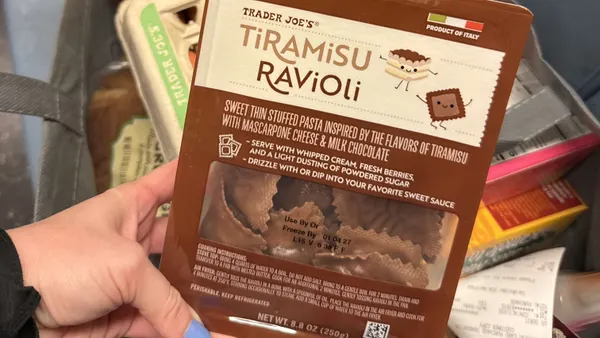
“The recovery sits in reformulation,” Dunnhumby said in the report, noting that brands are making labeling choices to cater to GLP-1 users, like Conagra’s “GLP-1 Friendly” label on its Healthy Choice frozen meals line.
Dunnhumby said that retailers with loyalty programs that can see household-level purchasing are better positioned than other retailers to recognize spending shifts early and provide relevant offers. Retailers with a pharmacy can also “link the prescription to the basket,” the firm noted.
Of people surveyed in the U.S., approximately 40% who have ever taken a GLP-1 said they were off the medication, Dunnhumby found.